
You’re running paid ads. You’re spending money to bring people to your business. But are those clicks turning into customers? Often, businesses see low conversion rates and feel their ad spend is just evaporating. One of the most common culprits? Sending visitors from your carefully crafted ads to a generic website page instead of a tailored, conversion-focused destination.
These general pages often fail to meet the specific needs of paid ad campaigns. They’re built for broad audiences, not for the hyper-targeted traffic your ad is bringing in. The crucial element missing from many paid ad strategies is a dedicated landing page, a page that delivers exactly what the ad promised and nothing else.
The Disconnect: Your Website vs. Your Paid Ad Promise
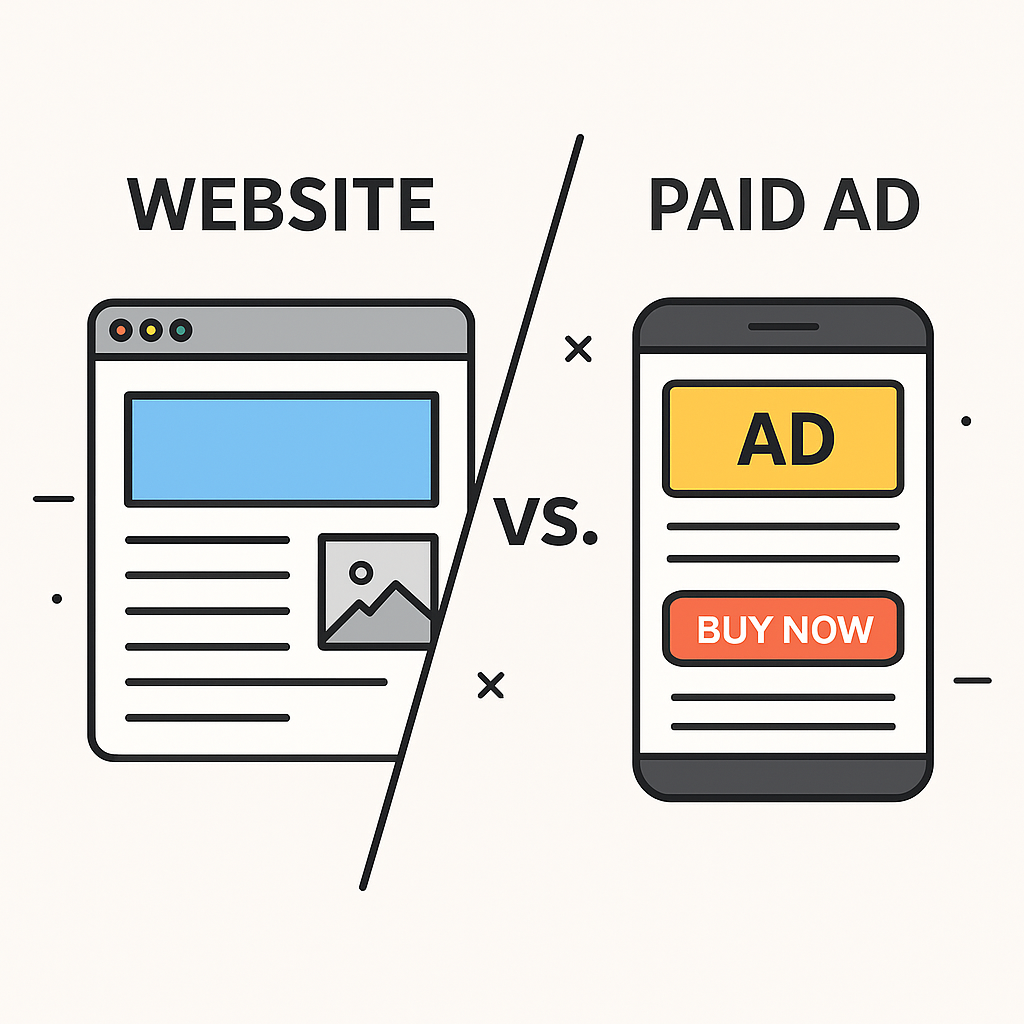
Your main website is like a grand tour of your company, a mix of history, services, blog posts, and contact options. It’s great for organic visitors who want to explore. But when someone clicks your paid ad, they’re not here for a tour. They have a single, urgent mission, and every second they spend looking for it increases the chance they’ll leave.
Understanding User Intent from Paid Ads
Paid ad clicks are rarely casual. People saw your ad because it spoke directly to a need, pain point, or desire. Whether it’s a product they’ve been thinking about buying, a service they need urgently, or a limited-time offer, they’re primed to act, if the page they land on matches their expectations perfectly.
Failing to address this intent instantly is like answering a specific question with a long, unrelated story. Visitors won’t wait, they’ll click away to a competitor.
The “Thin” Experience of General Website Pages
Think about your homepage. It’s filled with navigation menus, multiple product categories, blog links, and various calls to action. For paid ad visitors, that’s digital noise. They clicked expecting a clear path to exactly what your ad mentioned, like “Get a Free Consultation Today” or “Shop Summer Sale – 30% Off.”
If they can’t see that offer front and center within seconds, they feel misled, frustrated, and leave. Every extra click is a conversion killer.
The Bounce Rate Problem: A Symptom of Misalignment
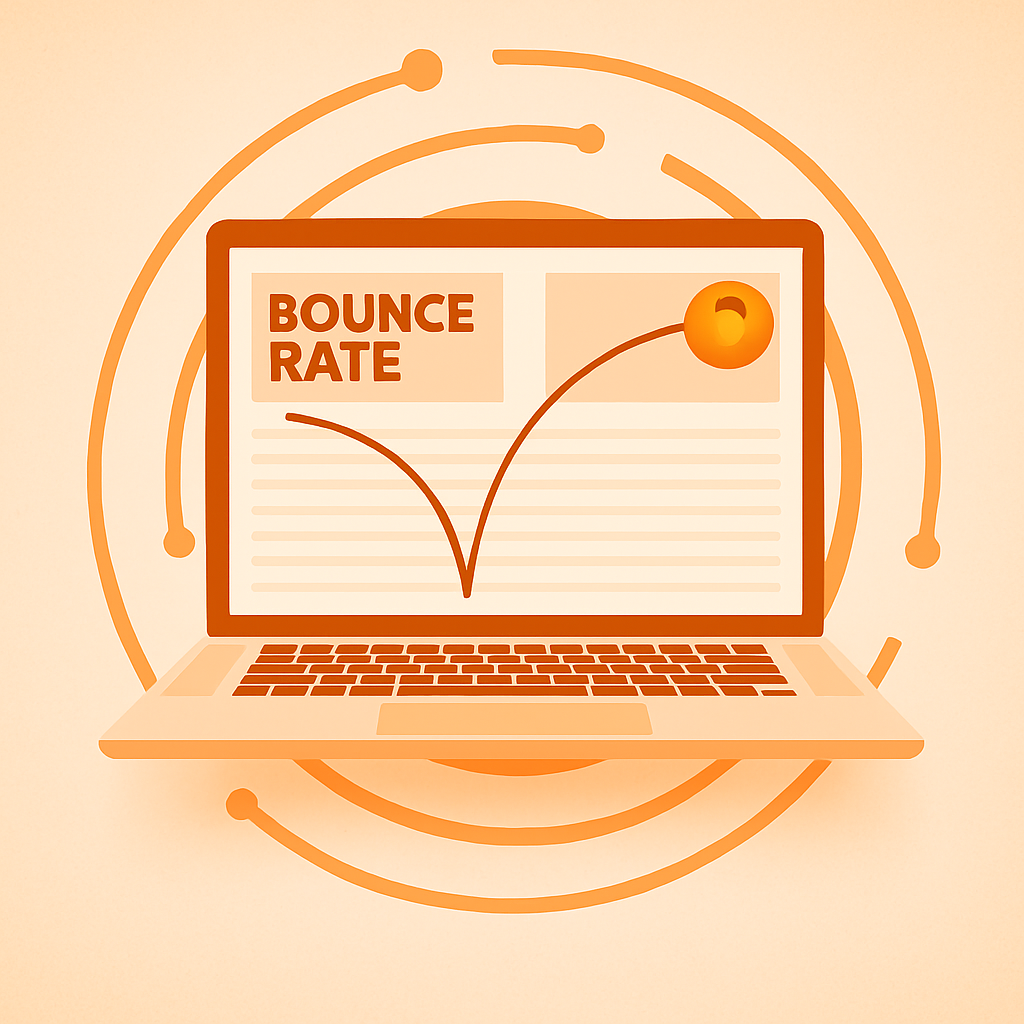
When visitors land on a page that doesn’t instantly match their ad’s message, they leave quickly—this is your bounce rate skyrocketing. A high bounce rate is the silent killer of ad performance, signaling your ad promise and your landing page content are out of sync.
Think of it this way: your ad opens the door, but your landing page must invite them in immediately and lead them straight to the goal.
What Exactly is a Landing Page for Paid Ads?
A dedicated landing page is a single-purpose web page created specifically for a campaign or audience segment. Unlike your main site, it removes distractions, no unrelated navigation, no competing offers.
Every element is designed to keep the visitor moving toward one clear action, whether that’s making a purchase, filling out a form, or booking a consultation.
The Core Purpose: Conversion
The entire purpose of a landing page is conversion. It’s not about brand storytelling or showcasing everything you offer, it’s about guiding the visitor to take the one action that fulfills your campaign goal.
Key Components of a High-Converting Landing Page
Effective landing pages have vital components. They start with a clear, attention-grabbing headline. The copy needs to be compelling and focused. There must be a strong, obvious call to action (CTA). Finally, minimal distractions keep the user focused. Elements like social media links or main navigation menus are often removed. A successful landing page usually includes:
Trust Signals – Testimonials, reviews, guarantees, or security badges.
Headline – Grabs attention and mirrors the ad’s promise.
Subheadline – Expands on the value or urgency of the offer.
Hero Image or Video – Shows the product, service, or result visually.
Benefit-Driven Copy – Focuses on outcomes, not just features.
Strong CTA Button – Clear, visible, and action-oriented.
Minimal Distractions – No external links or clutter.
Distinguishing Landing Pages from Homepage or Product Pages
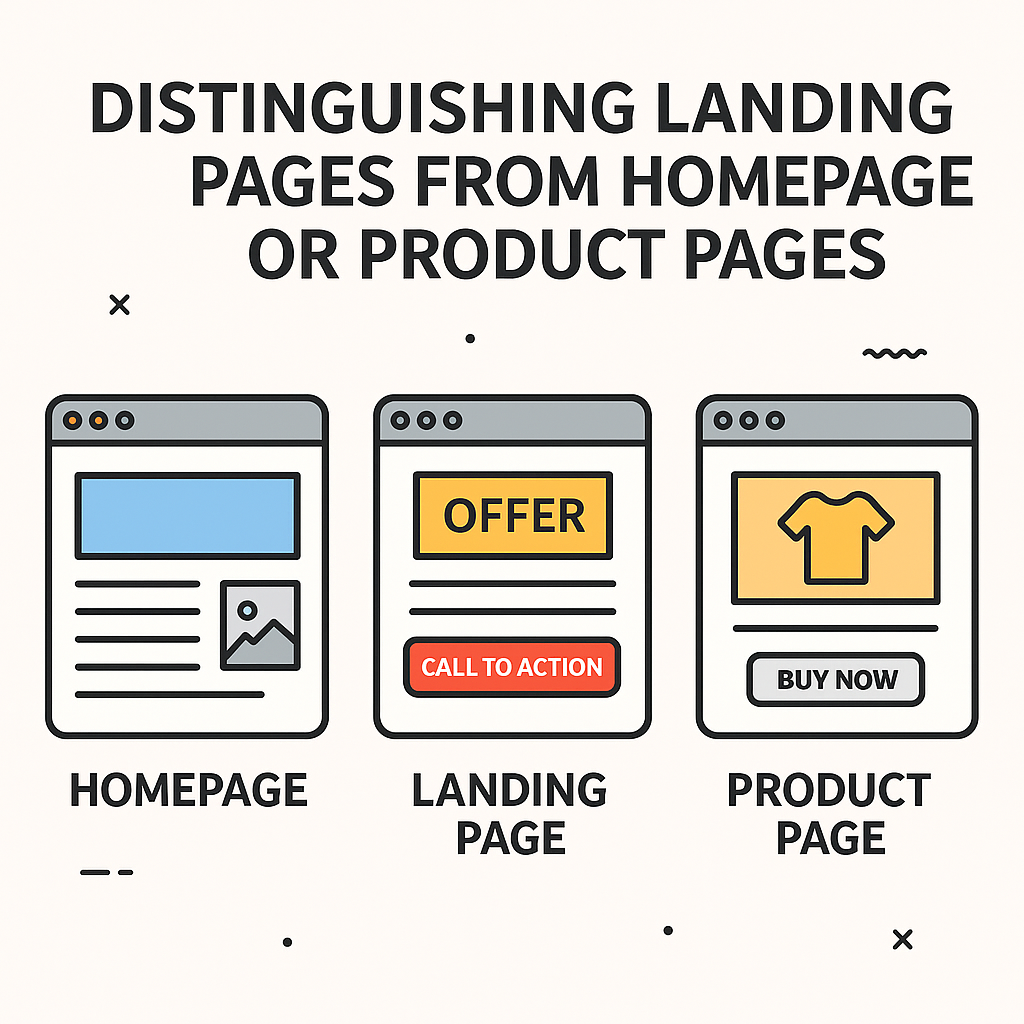
Your homepage tries to serve everyone. Your product page shows off one item. A landing page, however, is laser-focused on one offer from a specific ad. It’s a tailored experience. It’s not about exploration. It’s about taking the next step right now.
How Landing Pages Supercharge Your Paid Ad Performance
Using dedicated landing pages can dramatically boost your ad results. They work hand-in-hand with your ad campaigns. This partnership leads to better outcomes and more money saved. Studies show that using dedicated landing pages can increase conversion rates by 25% to 400% compared to general website pages. The clarity, relevance, and lack of distraction make it far easier for visitors to take action.
Increased Conversion Rates: The Most Significant Impact
Landing pages improve conversions by providing a seamless, focused experience. Visitors find exactly what they expect from the ad. This direct path encourages them to take action. Studies from Landingi and the Charlotte Area Chamber of Commerce show that using dedicated landing pages can increase conversion rates by 25% to 400% compared to general website pages. The clarity, relevance, and lack of distraction make it far easier for visitors to take action.
Improved Ad Relevance and Quality Scores
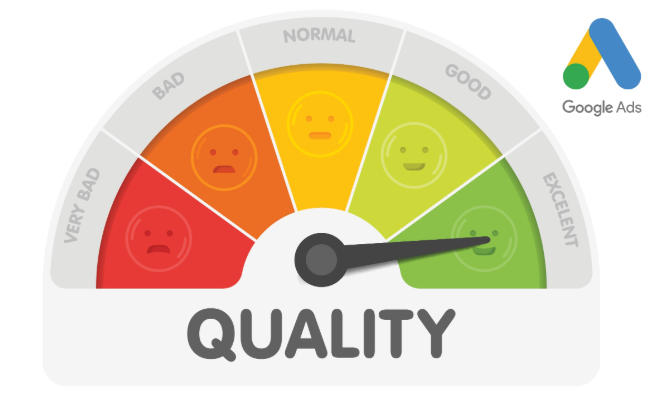
Ad platforms like Google Ads evaluate your landing page experience. If your page is highly relevant to your ad, your “Quality Score” goes up. A better Quality Score means your ads show up more often. It can even lower your cost per click. This makes your ad spend more efficient.
Enhanced Campaign ROI and Reduced CPA
Higher conversion rates and better ad scores mean a bigger return on your investment (ROI). You spend less to get each customer. This lowers your Cost Per Acquisition (CPA). Always track your CPA for campaigns with and without dedicated landing pages. You’ll likely see a clear financial benefit.
Crafting Landing Pages That Convert: Best Practices
Building effective landing pages isn’t just guesswork. There are proven strategies that make them work better. Following these tips helps you align your ad message with your page content perfectly.
Matching Ad Copy to Landing Page Content (Message Match)
Consistency is key. Your ad’s headline and message must directly match your landing page’s headline and offer. If your ad says “Get 50% Off All Blue Widgets,” your landing page headline should shout the same deal. This “message match” confirms the user is in the right place. It builds trust and encourages them to stay.
Compelling Headlines and Subheadlines
Your headline is the first thing people read. It needs to grab attention instantly. It should clearly state the main benefit or offer. Subheadlines can add more detail. Make them simple and powerful. They should confirm the ad’s promise.
Persuasive Copywriting and Benefit-Oriented Language
Write your copy to speak directly to the visitor’s needs. Focus on the benefits they’ll get, not just features. How will your product or service solve their problem? Use clear, simple language. Make them feel understood. Show them the value they will receive.
Clear and Strong Calls to Action (CTAs)
Your call to action must stand out. It should tell the user exactly what to do next. Use action-oriented verbs like “Get Your Free Quote,” “Download Now,” or “Claim Your Discount.” Make it easy to spot. Place it where it makes sense.
Minimizing Distractions: Removing Navigation and Clutter
Keep your landing page clean. Remove navigation bars, footers with external links, or too many images. Each element should serve the conversion goal. Less clutter means more focus on your offer. This simple step can greatly increase your conversion rate.
Beyond the Click: Leveraging Landing Pages for Data and Optimization
Landing pages do more than just convert. They are powerful tools for learning about your audience. They help you continually improve your marketing efforts. You can gather valuable insights from their performance.
A/B Testing for Continuous Improvement
A/B testing means trying out different versions of your page. You might test two headlines or two different CTA buttons. See which one performs better. This data helps you optimize your page over time. Always be testing. It’s how you unlock better results.
Tracking and Analytics for Deeper Insights
Set up tracking tools like Google Analytics. Watch how users behave on your landing page. Where do they click? How long do they stay? This data gives you deeper insights into what’s working. Using dedicated landing pages typically gives you more accurate data. This helps you refine your strategy.
Lead Nurturing and Remarketing Opportunities
Landing pages are great for collecting lead information. A simple form on a page can capture emails. You can then use these emails for future marketing. If someone visits but doesn’t convert, you can use remarketing ads. Show them new offers or gently remind them of your value. A lead magnet, like a free guide, on your landing page is perfect for this.
Conclusion: The Unmissable Link in Your Paid Ad Strategy
Sending paid ad traffic to generic pages is like inviting someone to a party but not telling them where to go. Dedicated landing pages are the precise map your visitors need. They create a focused, relevant experience that turns clicks into customers.
Key Takeaways:
- Improved conversion rates: Dedicated pages transform clicks into leads or sales.
- Enhanced ad performance and ROI: Better relevance means lower costs and higher returns.
- Data-driven optimization: Landing pages provide valuable insights for continuous improvement.
Stop wasting your ad budget. Implement dedicated landing pages for your next paid ad campaign. See your conversion rates soar.