

Project management rules change all the time. Being flexible and ready to adapt is key. Old, strict ways of working often fail when markets move fast or customer needs shift. That’s why agile methods, especially Scrum, are so strong. Scrum gives teams a way to work together, make their own choices, and deliver small parts of value often. This makes it perfect for many projects, from making software to running ad campaigns.
But what exactly is Scrum? And how can you use its ideas outside of tech? This article will explain the Scrum way. It will show its main parts and give you clear steps. You’ll see how to use Scrum’s power for any project or campaign, no matter the industry or how complex it is.
Understanding the Core Principles of Agile and Scrum
Let’s start by looking at the main ideas behind agile work. Then we’ll see how Scrum puts these ideas into action.
The Agile Manifesto: A Foundation for Flexibility
The Agile Manifesto set out a new way of thinking about projects. It has four core values and twelve supporting principles. This guide shifted the focus from strict plans to quick, smart responses. It changed how teams thought about delivering work.
The key principles include valuing people and their interactions over processes and tools. It puts working products above lots of papers and notes. Customer talk matters more than contract details. And being ready for change beats simply following a plan. These ideas help teams be nimble and quick.
What is Scrum? An Overview

Scrum is an agile framework. It helps people tackle complex tasks while delivering working products. It uses a cycle of short work periods called Sprints. Each Sprint builds on the last, adding small, useful pieces. This makes the whole process clear and easy to adjust.
Scrum is different from other agile methods like Kanban. Kanban focuses on managing a flow of work without fixed time boxes. Scrum has specific roles, timed events, and clear items. This structure helps teams stay on track and get things done.
The Pillars of Scrum: Roles, Events, and Artifacts
Scrum has three main parts that work together. These are the team roles, planned events, and helpful artifacts. Each part plays a vital role in keeping things moving.
Scrum Roles: The Power of Collaboration
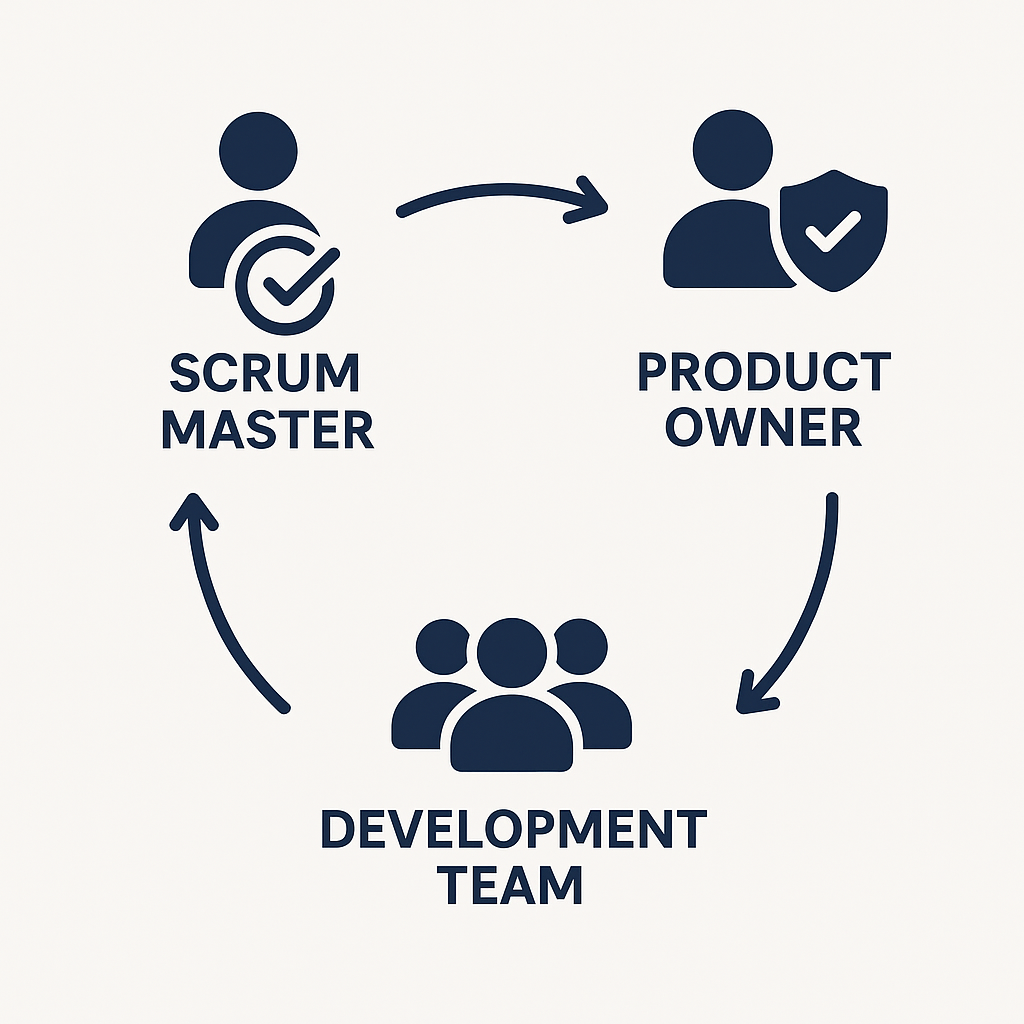
Scrum has three main roles. Each one has clear jobs, making sure everyone knows their part. These roles encourage strong teamwork.
- Product Owner: This person works to get the most value from the product. They manage the Product Backlog. This means they decide what tasks are most important to work on next. They are the voice of the customer or user.
- Scrum Master: Think of the Scrum Master as a coach for the team. They help everyone understand and follow Scrum rules. They also remove any blocks or problems that slow the team down. They make sure the team can do its best work.
- Development Team: This group makes the actual product or solution. They are self-organizing. This means they decide how to best do their own work. They have all the skills needed to finish tasks, like coding, writing, or designing. Their goal is to create a usable piece of the product each Sprint.

Scrum Events: The Rhythm of Work
Scrum uses a set of short, timed meetings. These events give a regular beat to the work. They ensure everyone stays aligned and can adjust plans as needed.
- The Sprint: This is the heart of Scrum. It’s a fixed period, usually one month or less. During a Sprint, the team builds a “Done,” working piece of the product. New Sprints begin right after the last one ends.
- Sprint Planning: At the start of each Sprint, the team meets. They decide what work they can finish in the upcoming Sprint. They also plan how they will complete this work.
- Daily Scrum: This is a short, 15-minute meeting each workday. The team talks about what they did yesterday and what they will do today. They also share any problems they face. This helps them adjust their plan for the next 24 hours.
- Sprint Review: At the end of the Sprint, the team shows what they finished. They discuss the completed work with customers and others who care about the project. This is a chance to get feedback.
- Sprint Retrospective: After the Sprint Review, the team meets again. They look at how they worked during the Sprint. They talk about what went well and what could be better. Then, they make a plan to improve for the next Sprint.
Scrum Artifacts: Transparency and Information
Scrum uses three main artifacts. These are tools that help keep all the work clear and open. They also make it easier to check progress and make changes.
- Product Backlog: This is a list of everything needed for the product. It’s like a wish list, but in order of importance. The Product Owner manages this list.
- Sprint Backlog: This is a smaller list of items pulled from the Product Backlog. These are the specific tasks the team plans to complete in the current Sprint. It also includes the plan for how to get them done.
- Increment: This is the usable part of the product created during a Sprint. It’s all the work completed in the current Sprint, plus all the work from past Sprints. It must be in a ready-to-use state.
Applying Scrum to Diverse Projects and Campaigns
Scrum first came from software development. But its ideas are strong enough to use in many other areas. You can use Scrum principles in all kinds of projects.
Scrum in Software Development: The Classic Application
Scrum works very well for making software. Many tech companies use it to build apps and programs. Teams deliver new features often. This quick way of working leads to fast feedback loops. It helps make better software that users love.
This step-by-step building means problems are found early. It lets teams adjust their course quickly. It ensures the final product is high quality and meets user needs.
Adapting Scrum for Marketing Campaigns
You can totally use Scrum for marketing. It helps marketing teams be fast and change plans easily. Think about launching a new product.
- Product Owner as Campaign Manager: The marketing manager acts as the Product Owner. They decide which marketing tasks are most important. They also set the main goals for the whole campaign.
- Development Team as Marketing Specialists: This team includes all the marketing pros. You might have writers, SEO experts, social media managers, and ad buyers. They work together to finish campaign tasks.
- Sprint Examples: Your Sprints could focus on different campaign parts. One Sprint might be for writing all the ad copy. Another could be for setting up social media ads. A third might be for checking campaign results.
- Actionable Tip: Keep a “Marketing Backlog.” This list tracks all campaign tasks. It goes from the first ideas to the final reports.
Scrum for Project Management in Other Industries
Scrum can help many industries that are not tech-focused. It’s useful in building projects, designing new items, or planning events. It helps teams manage complex work with unclear parts.
- Example: Event Planning: Imagine planning a big conference. Sprints could focus on different phases. One Sprint might be for booking the venue. Another for finding speakers. Then a Sprint for selling tickets.
- Example: Product Design: For a new physical product, Sprints can involve making small models. Teams can test these models with users. They learn what works and what doesn’t very fast.
- “Agile ideas are for any team doing tough, unknown work,” says a project expert. “It’s about being ready to learn and change.”
Benefits and Best Practices for Scrum Implementation
Using Scrum brings many good things to projects. It also has simple ways to make sure it works well for your team.
Key Benefits of Scrum
Scrum changes how teams work for the better. It makes projects more open and results in happier customers. Here are some of the main upsides.
- Increased Flexibility and Adaptability: Scrum lets teams change directions fast. If customer feedback or market shifts happen, they can adjust. This means less wasted effort.
- Enhanced Team Collaboration and Communication: The daily meetings and other events mean teams talk a lot. Everyone knows what’s happening. This builds stronger bonds.
- Improved Product Quality and Customer Satisfaction: Teams get feedback often. They build products that truly meet user needs. This leads to better quality and happier customers.
- Faster Time to Market: By delivering usable pieces often, products get out faster. This means users can start using new features sooner.
- Greater Transparency and Predictability: Scrum’s artifacts and regular meetings make work visible. Everyone can see progress clearly. This helps predict when things will be ready.
Best Practices for Successful Scrum Adoption
To get the most out of Scrum, some simple steps can help. These tips make the process smoother for everyone involved.
- Cultivate a Culture of Trust and Transparency: Teams need to feel safe to share ideas and problems. Open talk and trust help everyone do their best.
- Invest in Scrum Master Training: Make sure your Scrum Master knows their stuff. They need to be good at guiding the team and removing roadblocks.
- Define “Done” Clearly: Every team needs to agree on what “done” means for each task. This way, there’s no confusion about when work is truly complete.
- Regularly Inspect and Adapt: Always use the Sprint Retrospective. It’s a vital time to look at how the team works and find ways to get better. This builds a habit of steady growth.
- Actionable Tip: Start small with Scrum. Pick one simple project to try it out. This helps your team learn how it works before doing it on a large scale.

Overcoming Challenges and Maximizing Scrum’s Potential
Even with all its good points, using Scrum can have bumps. Knowing these problems and how to fix them helps a lot. You can make Scrum work even better for your team.
Common Scrum Challenges and Solutions
Teams sometimes face hurdles when starting with Scrum. But there are ways to get past them. Knowing these common issues can save you time and stress.
- Resistance to Change: People may not like new ways of working. Explain why Scrum helps them and the project. Show how it makes things easier, not harder.
- Defining Clear Product Backlog Items: Sometimes, it’s hard to write good tasks for the Product Backlog. Break big tasks into small, clear “user stories.” Make sure each item is ready for the team to work on.
- Managing Dependencies: Projects often rely on other teams or outside factors. Identify these links early. Plan how to handle them. Communicate clearly with everyone involved.
- Actionable Tip: Hold regular “backlog grooming” sessions. This helps the Product Owner and team keep the Product Backlog clear and ready for the next Sprint.
Advanced Scrum Techniques and Scaling
Scrum is powerful on its own, but you can also make it even stronger or use it for bigger projects. There are ways to improve how teams plan and work.
- User Story Mapping: This is a visual way to plan out the user’s journey. It helps teams see the whole product story and organize the Product Backlog better.
- Scaling Scrum: For very large projects with many teams, special methods exist. Frameworks like Scrum@Scale or LeSS help many Scrum teams work together on one big goal. Agile methods, including Scrum, are now widely used in many large companies around the world.

Conclusion: Embracing Agility with Scrum
Scrum is more than just a set of rules. It’s a mindset that puts quick changes, teamwork, and constant value delivery first. By understanding its main ideas, roles, events, and artifacts, teams can use Scrum’s power. They can manage tough tasks and succeed in almost any project or campaign.
Key Takeaways:
- Scrum provides a flexible guide for handling projects in a fast-moving world.
- The parts of Scrum — roles, events, and artifacts — help make work clear and lead to constant improvement.
- Scrum’s flexibility means it works well beyond software. It’s great for marketing and other industries too.
- For Scrum to work, your team needs trust, clear goals, and a drive to get better with each step.
Choosing Scrum means choosing to be agile. In today’s busy world, that’s a big plus for any team.